
Sounds That Need Attention
- New grinding, scraping or repeated clicking can signal a moving-part or starting fault, especially when the appliance stops completing its cycle.
- Gas odors require leaving without touching switches and calling the utility or 911 outside; burning smells require stopping use and calling for help.
- Call with the exact sound, visible change and display code so your technician can interpret the symptoms for your appliance model.
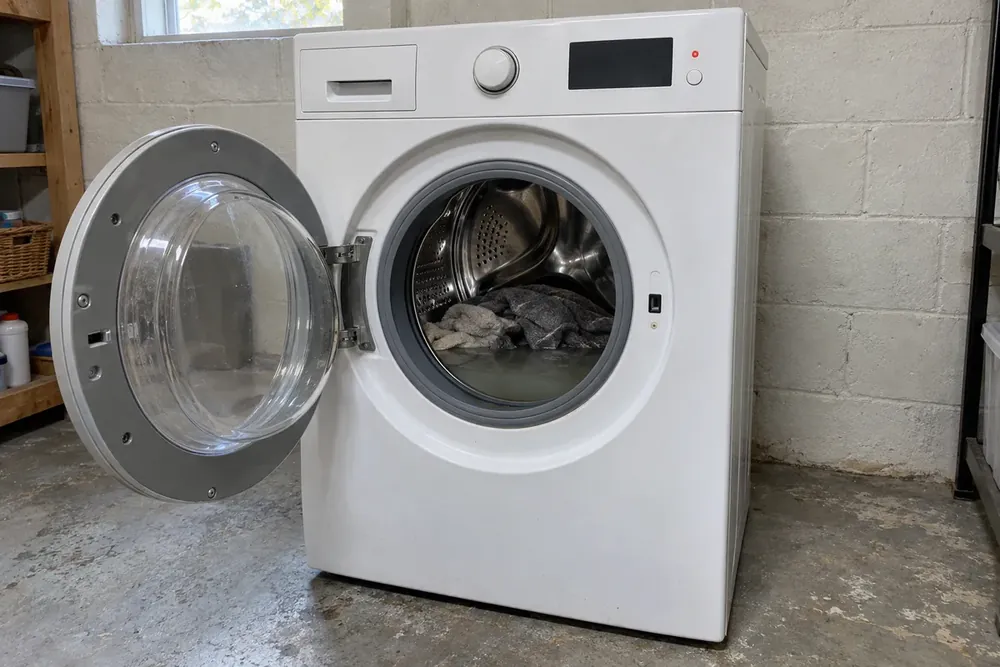
Sounds, Smells and Displays Point Toward Different Faults
An unfamiliar noise matters most alongside a warm shelf, wet load or stalled cycle. Call about what happens and when; your technician checks the cause.
Refrigerator clicks and warm shelves
A click every few minutes with little cooling may involve a starting component; scraping near a frosted wall may involve a fan meeting ice. Reasons for a refrigerator not cooling also include poor seals and ventilation, as Whirlpool's cooling article explains.
| What you notice | What it usually points to | Safe to keep using? |
|---|---|---|
| Familiar hum and normal cooling | Normal motor operation | Usually, without new smells, leaks or temperature changes |
| Repeated click and warm shelves | Starting or cooling fault | Call now and keep doors shut; do not rely on the food staying cold |
| Scraping behind frost | Fan interference or a defrost problem | Avoid repeated tests; arrange assessment |
How much to fix a refrigerator that's not cooling? The answer depends on whether the fault involves a seal, fan, starting component or sealed system, plus parts and access. Call about refrigerator repair and describe whether both compartments are warm.
Freezer frost and an empty ice bin
Softening food, thick frost around the rim or small hollow cubes can reflect different problems. A poor seal or defrost fault affects freezing, while restricted water delivery or a failed fill component affects ice production. Keep freezer doors closed while calling about lost cooling. Do not chip ice away from internal surfaces.
| What you notice | What it usually points to | Safe to keep using? |
|---|---|---|
| Thick frost along the seal | Air entering or a seal problem | Call about the frost; continued freezing needs assessment |
| Food softens while the unit hums | Cooling, airflow or defrost fault | Do not count on frozen storage; keep the door shut and call |
| Empty bin or hollow cubes | Water-delivery or ice-making fault | Cooling may still work; stop ice-making use if water leaks |
Washer grinding and water left behind
Grinding during spin can involve bearings or a drive component, while water remaining after a cycle can indicate drainage trouble. A sour drum smell can accompany residue or standing water. Stop a machine that bangs hard, leaks or grinds rather than running another demonstration cycle.
| What you notice | What it usually points to | Safe to keep using? |
|---|---|---|
| Grinding or heavy banging during spin | Drive, bearing, load or support problem | No; stop the cycle and call |
| Water stays in the drum | Drain restriction or pump fault | No; pause use until the drainage issue is assessed |
| Door clicks and the cycle never starts | Latch, lock or control issue | Do not force the door or bypass the lock |
Read any code exactly as shown, including letters and flashing patterns.
Dryer squeals and a scorched smell
A rhythmic squeal can point to rollers or a belt, while damp clothes and unusual heat can indicate restricted airflow or a heating fault. Clean the lint screen with the dryer stopped. The U.S. Fire Administration recommends lint-filter cleaning before and after each cycle.
| What you notice | What it usually points to | Safe to keep using? |
|---|---|---|
| Squeal or scrape as the drum turns | Belt, roller or drum-support wear | Stop and call rather than running repeated cycles |
| Clothes stay damp and the cabinet feels unusually hot | Airflow restriction or heat-control trouble | No; stop using the dryer |
| Scorched odor | Overheating or a burning component | No; stop, unplug only if safe and call |
A gas smell takes priority over any display code: leave without touching switches and call the gas utility or 911 outside.
Dishwasher standing water and silent controls
Water covering the bottom after a completed cycle can indicate a drain restriction or pump fault. Sour water may accompany the drainage problem. With a dishwasher panel not working, a latch or control fault may be involved; a dark display alone cannot identify the cause.
| What you notice | What it usually points to | Safe to keep using? |
|---|---|---|
| Standing water after the cycle | Drain restriction or pump problem | Stop repeated cycles and call |
| Grinding during washing | Debris or a circulation component fault | No; switch off and arrange diagnosis |
| Dark panel or blinking controls | Latch, power or control issue | Do not keep attempting starts |
Dishwasher not draining repair cost depends on whether cleaning resolves the obstruction or a pump or other component needs replacement. You may clean an accessible filter according to the owner's instructions with the machine off. Leave leaking appliances off while you arrange help.
Oven and stove clicking without heat
Repeated ignition clicks without a flame or an oven that remains cool can involve an ignition or heating component. Uneven cooking may involve a sensor or control, but a display code does not establish which part failed.
| What you notice | What it usually points to | Safe to keep using? |
|---|---|---|
| Repeated clicks without ignition | Ignition fault | No; stop attempting to light the burner and call |
| Oven stays cool or heats unevenly | Element, igniter, sensor or control fault | Stop cooking with the affected appliance |
| Gas odor near the range | Possible gas leak | No; leave and call for emergency help outside |
If gas is smelled, leave without touching switches or plugs and call the gas utility or 911 from outside, following National Grid's emergency instructions. Then call us about the appliance.
Microwave buzzing, sparks or a damaged door
A new loud buzz without heating may involve an internal component, while sparks or a damaged door require stopping use. The FDA's microwave advice specifically advises against using an oven with a door that is damaged or fails to close firmly.
| What you notice | What it usually points to | Safe to keep using? |
|---|---|---|
| Loud unfamiliar buzz without heating | Heating-component or control fault | No; stop using it and call |
| Sparks or burning smell | Arcing or damaged material or components | No; stop and unplug only if safe |
| Door will not close firmly | Latch, hinge or door damage | No; arrange assessment without further testing |
Keep the case closed. Share the exact code and model label during the call rather than using a code list for a different model.
Share the display and model during the call
A code helps identify a fault only when matched to the correct brand and model. Model labels are often inside refrigerator compartments, around appliance door openings or under top-load lids; read only what you can safely see. There is no need to move a heavy appliance. Call with the symptoms now, and appliance technicians in our network will take the diagnosis from there.