
When Repair Makes Sense
- Repair usually makes sense when a replaceable belt, pump, fan or switch has failed and the rest of the appliance remains sound.
- Replacement deserves consideration when major structural damage, an aging sealed system or unavailable essential parts makes a lasting repair impractical.
- Call about the symptoms now so your technician can identify the fault and explain the repair scope before you choose.
Failed Parts and Damage Shape the Decision
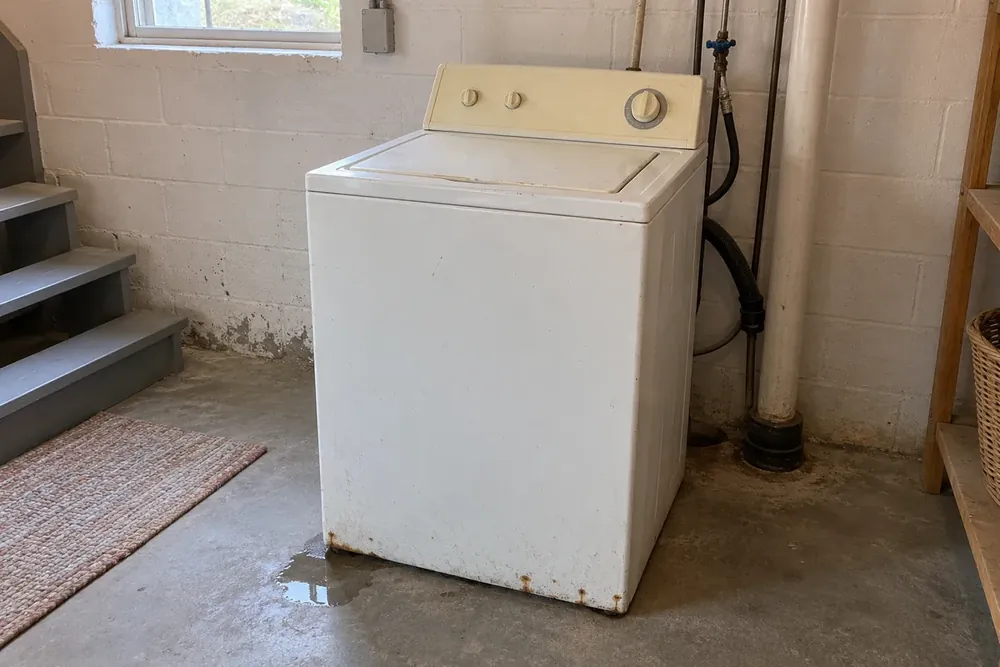
A squealing drum or puddle under a door may come from one replaceable part; extensive rust or a cracked tub changes the decision. Call about the sign you notice rather than buying a replacement on the strength of a noise alone. Your technician checks the cause, the surrounding damage and whether the correct part is still obtainable.
Refrigerator, freezer and ice maker
Repeated clicking with warm shelves can point to a starting problem, while scraping behind a frosted wall may involve a fan or ice buildup. Neither sound proves a compressor has failed. As Whirlpool's refrigerator troubleshooting article explains, cooling faults can involve seals, ventilation or internal components.
When you weigh whether to repair or replace a refrigerator, an isolated fan or door-seal fault often favors repair. A confirmed sealed-system failure on an old refrigerator with other deterioration often favors replacement. Keep refrigerator and freezer doors shut while arranging help; a running light does not mean food is staying cold. An empty ice bin may need a fill valve or ice-making assembly rather than a whole refrigerator. Call for refrigerator repair to separate a cooling fault from an ice-maker fault.
Washer noises and leaks
Water left in the drum can indicate a drain problem, and a lid that clicks without starting may involve a lock or switch. A pump, belt or fill valve is often worth replacing when the tub and surrounding structure are sound. Grinding during spin needs diagnosis because the noise may involve bearings rather than a simple loose item.
Deciding whether to repair or replace a washing machine means comparing the diagnosed part failure with the condition of the tub and support structure. A cracked tub, substantial corrosion or several recurring faults can make replacement the better choice. If you are deciding whether to repair or replace a washer after another leak, stop the cycle and call; do not run another load to demonstrate the problem.
Dryer squeals and scorched smells
A squeal with a turning drum may come from rollers or a belt, and a drum that stops turning may have a drive fault. Those repairs often make sense on an otherwise sound dryer. Rust through the drum or extensive damage changes the calculation because replacing one small part will not restore the whole machine.
Damp loads can also reflect restricted airflow rather than a failed heating part. The U.S. Fire Administration's dryer safety flyer recommends cleaning the lint filter before and after each cycle. Stop using a dryer that smells scorched, unplug it only if safe, and call about the smell.
Dishwasher water and sour odors
Standing water and a sour smell often point toward drainage trouble, while a quiet wash cycle with dirty dishes may involve circulation. A filter obstruction or replaceable pump can favor repair. A cracked tub, rusted structure or unavailable control board favors considering a new machine.
To decide whether to repair or replace a dishwasher, your technician distinguishes a blockage from a failed component and checks for leaking damage. The dishwasher repair-or-replace decision also depends on whether the machine has had repeated unrelated failures. You may clean an accessible dishwasher filter according to the owner's instructions with the appliance off; calling does not depend on finishing that task.
Oven and stove heating trouble
Clicking without ignition or an oven that stays cool may involve an igniter, heating element or control. Replacing a diagnosed component often makes sense when the cooking cavity and door remain sound. Extensive deterioration or a discontinued essential board can make replacement more practical.
If you smell gas, do not touch switches or plugs. Leave and call the gas utility or 911 from outside, following National Grid's gas emergency guidance, then call us about appliance repair. Gas components belong in your technician's assessment.
Can a microwave oven be repaired?
A microwave that lights up without heating may be repairable, but the failed part and condition of the cavity matter. Whether a microwave can be repaired economically also depends on its installation: removing a built-in unit adds work that a countertop model does not require. A door switch fault can justify repair; extensive cavity damage or unavailable parts can favor replacement.
Do not open the case or keep testing a damaged door. The FDA's microwave safety advice says to stop using a microwave whose door does not close firmly or is bent, warped or otherwise damaged.
Compare the condition, parts and energy use
Age matters alongside condition, past repairs and parts availability; age alone does not settle the decision. Compare actual energy use and the replacement model's energy label rather than assuming a new machine will repay its purchase through savings. A discontinued board can rule out an otherwise straightforward repair.
| Appliance | Usually worth repairing when | Usually time to replace when |
|---|---|---|
| Refrigerator or freezer | A fan, seal or starting component fails in an otherwise sound unit | An old unit has a confirmed sealed-system failure and other deterioration |
| Ice maker | A fill valve or ice-making assembly fails while cooling remains sound | Major cooling damage or unavailable parts prevents dependable operation |
| Washer | A belt, pump, lock or fill valve fails without structural damage | The tub cracks or extensive corrosion accompanies repeated faults |
| Dryer | A belt or roller fails and the drum remains intact | Rust penetrates the drum or extensive damage affects several assemblies |
| Dishwasher | A filter obstruction or replaceable pump causes the fault | A damaged tub or discontinued essential board prevents a lasting repair |
| Oven or stove | An igniter, element or switch fails in a sound appliance | Extensive deterioration or an unavailable essential control prevents repair |
| Microwave | A replaceable door switch fails and the cavity remains sound | Major cavity damage or unavailable components makes safe restoration impractical |
One of our local appliance repair partners will explain the diagnosed fault, required parts and total repair price before work begins. Share the exact display code and model label during the call; codes vary by brand and model.