
Plainedge, New York
Commercial Appliance Repair in Plainedge, NY
Our local appliance repair professionals handle warm coolers and stalled kitchen or laundry equipment in Plainedge. Call with the signs staff notice; your technician takes it from there.
- Calls answered 24/7
- Commercial appliances
- Serving Plainedge and nearby
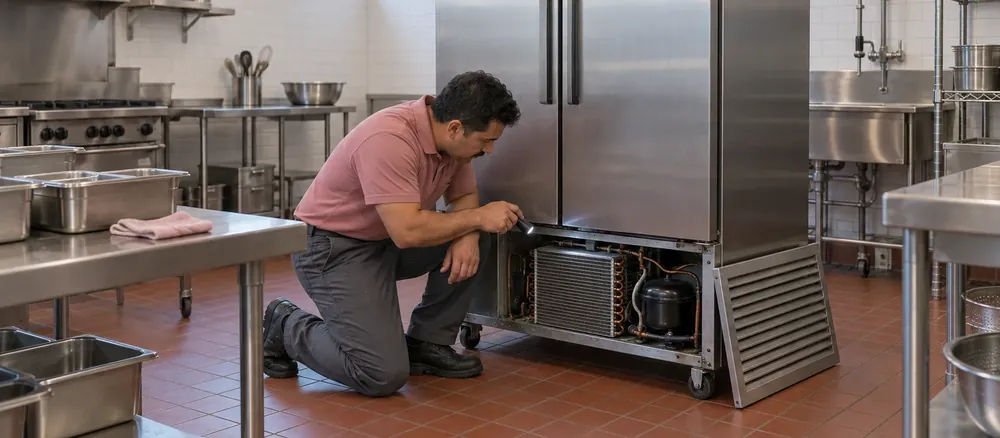
Appliance Help for Plainedge Businesses and Buildings
- Restaurants, bars and cafes: Warm walk-ins, silent reach-ins, empty ice bins and stalled dish machines prompt restaurant equipment repair calls covering refrigeration, ranges and fryers.
- Retail stores and markets: A display cooler reading warm or a reach-in running constantly calls for a check of the unit holding your stock.
- Offices: Water under a break-room refrigerator, a dishwasher that leaves dirty cups or a microwave that runs without heating interrupts the staff kitchen.
- Warehouses and storage buildings: A noisy refrigerator or stopped microwave in the break room brings the same appliance concerns to staff between shifts.
- Apartment buildings and property managers: A tenant's warm refrigerator, several faulty ovens or standing water in shared laundry machines can be described together on one call.
- Laundromats and on-site laundry rooms: Wet loads, cold dryers and blinking controls call for attention to commercial washers and dryers used throughout the building.
- Schools and churches: A kitchen refrigerator clicking without cooling or a dishwasher leaving standing water needs attention ahead of meals and fellowship hall use.
- Medical and dental offices: A staff refrigerator that feels warm or a break-room dishwasher that leaks belongs on the call about ordinary kitchen appliances.
- Hotels and motels: Empty ice bins, guest laundry that stops mid-cycle and breakfast kitchen appliances that fail to heat are signs managers can report.
Sounds and Signs of Commercial Appliance Trouble
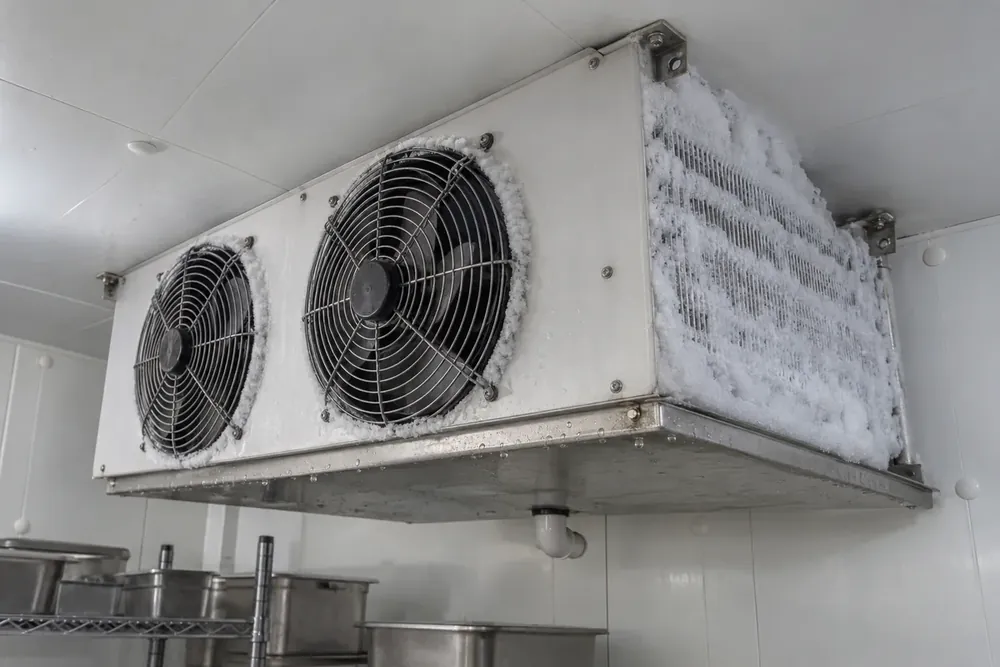
- Commercial refrigeration repair: A warm morning reading, visible frost on the evaporator or a compressor that runs nonstop can point to airflow, defrost or cooling trouble; call with the reading and keep doors closed between necessary food transfers.
- Commercial ice machine repair: Staff hear humming but see no fresh ice, or find water underneath; filling, draining or freezing faults may be involved, so stop using a leaking machine and describe the signs.
- Dish machines, ovens and ranges: A dishwasher will not fill, heat or drain, or an oven leaves food unevenly cooked; water flow, heating or control faults need checking, and staff can report the failed stage on the call.
- Warmers, holding cabinets and fryers: Staff see a heating light but feel no heat, or notice repeated shutoffs; a heating or control fault may be involved, so stop using the affected unit and call about the symptom.
- Commercial laundry: A washer leaves water and wet loads, a dryer turns without heat, or a code flashes; drainage, drive or heating faults need checking, so read the exact code and model label during the call.
- Several apartment appliances: Tenants report different faults in different units; separate appliances may need separate diagnoses, and a landlord can call about all affected units and the shared laundry room together.
Options When a Business Appliance Stops Working
A warm cooler or stopped washer calls for a decision based on the failed part, the unit's condition and how the business uses it.
| Option | When it fits | What it involves |
|---|---|---|
| Repair now | Your technician identifies a failed part that can be fixed or replaced. | Approve the work, repair or fit the part, and test the unit's operation. |
| Temporary cooling plan | A cooling unit is down while a needed part is ordered. | Move food to a working cooler or freezer, keep doors shut between necessary transfers, and log temperatures under the business's food procedures. |
| Replace the unit | An old unit has a failed sealed system or discontinued parts. | Compare the equipment's condition and parts support, including whether commercial freezer repair remains practical for the affected unit. |
Your technician advises on site which option fits the equipment and explains the reasoning; the owner or manager decides.
From the First Call to a Tested Repair
- Call with the kind of business, the appliance and what staff hear, see or smell; share the display code and model label during the conversation.
- The local appliance professional handling your request takes it from there, using the reported signs and equipment details to prepare for the job.
- Your technician checks the unit and explains the cause, the proposed work and the price so the owner or manager can approve the scope.
- After approval, your technician completes the repair and a test run, then supplies the work record for the owner or property manager.
Records That Keep Each Appliance Job Clear
A photo of the leaking unit and a written account of the repair help owners and managers keep each appliance's history together.
- Unit photos: Keep a view of the appliance and its model label, with the location or apartment number attached.
- Readings and scope: Save recorded temperatures where relevant, plus the fault found and the agreed work description.
- Parts and labor receipts: File the itemized receipt with the equipment record so later questions have a clear reference.
- Simple service log: Record the date, unit or apartment, what staff noticed, what was done and the test result.
What Affects Commercial Repair Costs in Plainedge
- Equipment type: Refrigeration, ice machines, dish machines, cooking appliances and laundry units require different checks and parts.
- Failed component: Sealed-system, control and motor faults involve different work and testing.
- Make, age and parts: The model and whether the needed part is stocked or ordered affect the scope.
- Access: Outdoor condensing equipment, built-in kitchen lines and stacked laundry can complicate access to the affected unit.
- Job size: Several appliances or apartments add separate checks and repair tasks.
- Visit timing: After-hours arrangements can affect the service charge.
One of our local appliance repair partners explains the proposed scope and price for your approval before work begins; read about appliance repair cost factors.
Why Plainedge Businesses Use This Phone Line
- Calls answered 24/7: Report a warm reach-in, a stopped washer or an empty ice bin when staff first notice the fault.
- Local appliance help: Your call connects you with a local appliance professional who handles the equipment problem you describe.
- Clear work decisions: Your technician explains the diagnosed cause, proposed scope and price so the manager or owner can approve the work.
- Useful job records: Keep the repair description, parts and labor receipt, and test findings with the records for the affected unit.
- Nassau and Suffolk coverage: Businesses in Plainedge and the Nassau and Suffolk communities listed on the service area pages use the same line for appliance help.
Safety Around Warm Coolers, Gas and Leaking Equipment
- Warm cooler: FDA's model Food Code generally calls for cold holding of food needing temperature control at 41°F or below, with specified exceptions; use the business's temperature logs and food procedures to assess affected stock (FDA, section 3-501.16).
- Unsafe food: Discard food found unsafe unless reconditioning follows an approved procedure; a repaired cooler does not change that disposition (FDA, section 3-701.11).
- Gas smell: Do not touch switches or plugs; get everyone outside and call National Grid or 911 from outside, following National Grid's Long Island gas emergency advice, then call us about the appliance.
- Water underneath: Stop using a leaking machine. Warn staff away from wet floors and never plug or unplug equipment with wet hands, as OSHA's restaurant safety guidance advises.
- Frosted refrigeration equipment: Staff should leave the sealed refrigerant system closed; opening it can release refrigerant, as described in EPA's refrigerant definitions.
Home Appliance Help for Owners and Staff
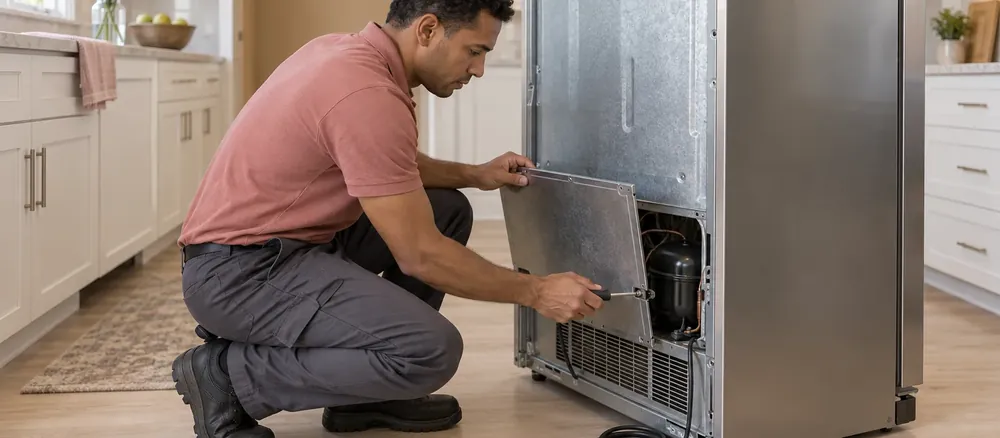
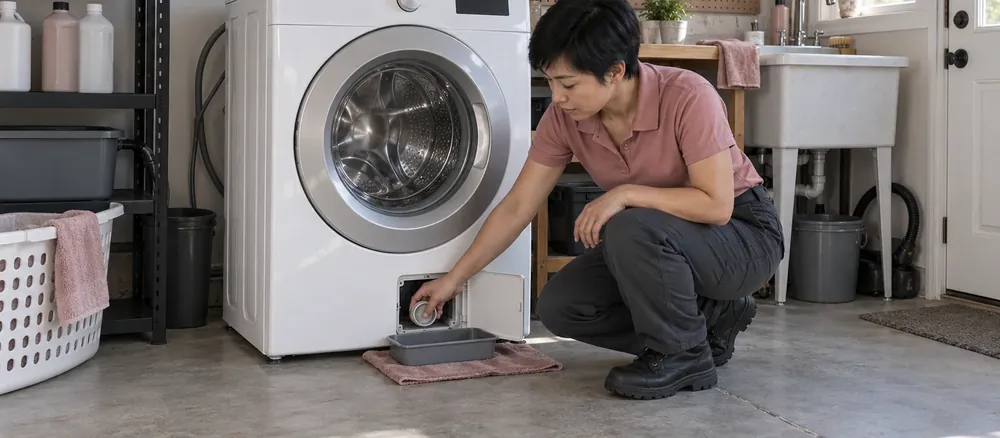
The same phone line covers home refrigerators, washers and dryers, ovens and stoves around Plainedge; owners, managers and staff can use the repair pages below.
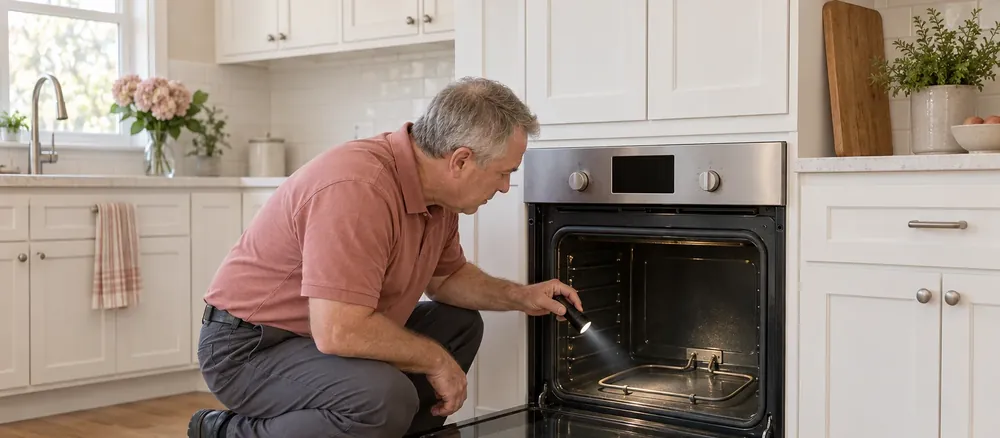
Commercial Appliance Help Around Plainedge
Businesses in Plainedge and the listed Nassau and Suffolk communities can call about kitchen refrigeration, cooking equipment and shared laundry faults using the same appliance repair line.
Commercial Appliance Repair FAQs
How do I arrange commercial appliance repair near me, and does the line cover homes too?
Call this line for business equipment or home appliances around Plainedge. Describe the cooler reading warm, the washer leaving water or the oven failing to heat, and say where the unit is used. Your technician handles the appliance problem, while the home repair pages cover refrigerators, laundry appliances and cooking equipment.
Does commercial refrigerator repair include other kitchen and laundry equipment?
Yes, the equipment covered includes walk-ins and reach-ins, ice machines, dish machines, ranges, fryers, and commercial washers and dryers. Report the unit that has stopped working and the signs staff notice, such as no fresh ice or a dishwasher that will not fill. Read out the exact display code without assigning it a meaning.
What should staff do when a walk-in stops holding temperature?
Call about walk-in cooler repair and protect affected stock using the business's food procedures. Share the current reading and earlier temperature records during the call. FDA's model cold-holding rule generally specifies 41°F or below for food needing temperature control, with exceptions (FDA, section 3-501.16); use the safety section for unsafe-food disposition.
Can a landlord call about several apartments or a shared laundry room?
Yes, a landlord or property manager can describe several apartment appliances and shared laundry equipment in one call. Say which unit has water underneath, which dryer stays cold and which refrigerator clicks without cooling. Include apartment numbers or equipment locations so the repair records stay attached to the right appliance.
What records should an owner or manager keep after the job?
Keep appliance photos, the model label, the written work scope, relevant temperature readings, and parts and labor receipts together. Add the date, equipment location, signs staff reported and the test result to a simple service log. A record of repeated clicking or leaking helps describe a later problem without relying on memory.
Can a visit be arranged outside business hours?
Outside-business-hours arrangements are discussed and confirmed on the call. Calls are answered 24/7, so report the warm cooler or stalled laundry machine when you notice it and explain the building's operating hours. Include access arrangements and who can approve the work; call-answering hours do not set an arrival time.
Restaurant, shop, laundromat and building managers: call now about the warm cooler, empty ice bin or stalled machine, and describe what staff notice.
Call (516) 895-7544